

Best Smart Locks for Seniors: 2026 Picks That Work
Table of Contents
- Best Smart Locks for Seniors: Quick Comparison
- Top Smart Lock Picks for Older Adults
- Keypad Door Locks for Seniors: Why PIN Entry Still Wins
- Smart Locks for Older Adults With Arthritis: Grip, Force, and Reach
- Smart Locks With Auto-Lock: Protection When a Door Is Forgotten
- Smart Locks With Remote Access for Caregivers
- Emergency Egress, Power Outages, and Backup Keys
- Installation and Compatibility in Older Homes
- Frequently Asked Questions
Last Updated: October 17, 2026
Best Smart Locks for Seniors: Quick Comparison
The best smart locks for seniors prioritize large keypads, simple app controls, and reliable backup access over flashy features.
Our top pick is the Schlage Arrive Smart WiFi Deadbolt, which Wirecutter’s 2026 smart lock review named its new top pick for its hardware and simple installation. Here is how the leading options compare.
| Lock | Entry Methods | Best For | Backup Access |
|---|---|---|---|
| Schlage Arrive Smart WiFi Deadbolt | Keypad, app, key | Best overall | Physical key |
| Yale Assure Lock 2 | Keypad, app, key | Compact keypad fans | Physical key |
| August Wi-Fi Smart Lock | App, auto-unlock, key | Phone-first users | Physical key |
| Ultraloq Bolt Fingerprint | Fingerprint, keypad, key | Arthritis-friendly entry | Physical key |
| Tapo DL100 | Keypad, app | Budget keypad entry | Physical key |
| Eufy Smart Lock C34 | Keypad, app | Low-cost option | Physical key |
How We Evaluated These Locks
We score every lock on five criteria: keypad legibility, grip and turning force, smartphone app simplicity, caregiver remote access, and emergency egress.
We also check installation requirements against older homes, where deadbolt bores and door thickness vary. Our reviews stay independent; we recommend only products we would trust for our own family members.
Top Smart Lock Picks for Older Adults
Each pick below solves a different problem. Read the “best for” line first, then the tradeoff. That is where the real decision lives.
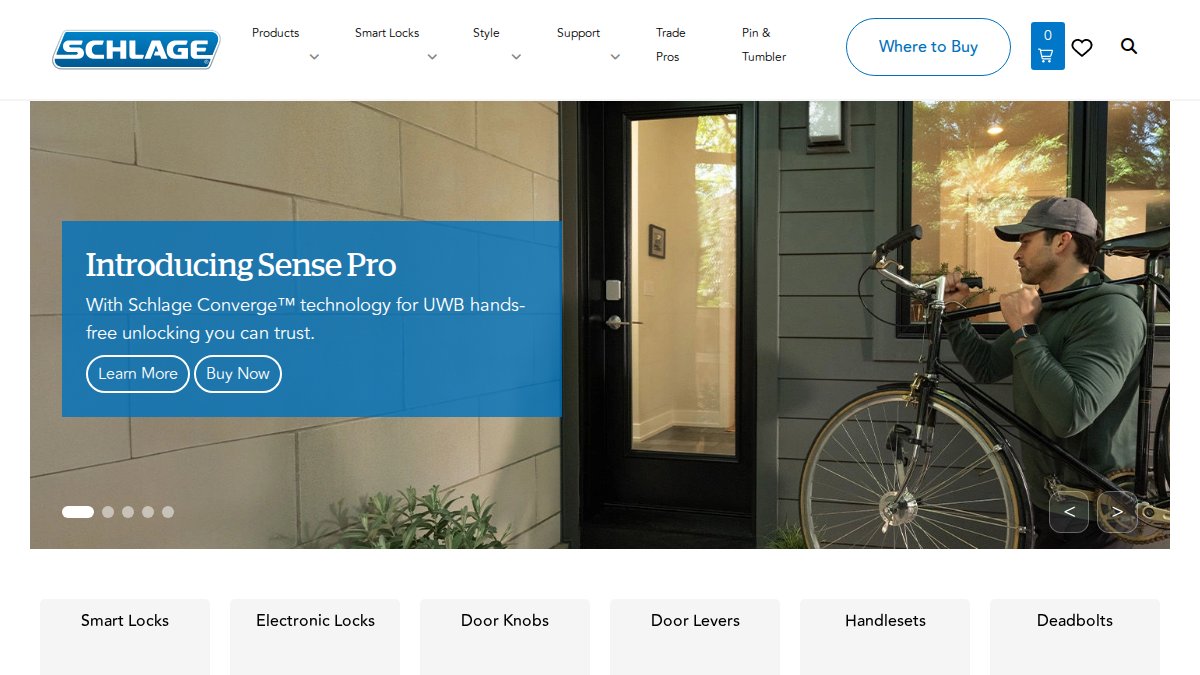
Schlage Arrive Smart WiFi Deadbolt
Best overall for most seniors. Wirecutter highlights this lock’s strong hardware and simple installation and controls, which matches what we look for: fewer steps, fewer failure points. Wi-Fi is built in, so caregivers get remote access without buying a separate hub.
The tradeoff: the supplied reviews do not detail senior-specific accessibility features, so confirm keypad size and backlit buttons before buying.
Yale Assure Lock 2
Best for keypad-first households. The compact keypad gives seniors a PIN code option without a phone, and the lock appears in multiple 2026 roundups. Compact is the catch: smaller buttons can be harder for arthritic fingers, so test one in person if hand strength is a concern.
August Wi-Fi Smart Lock
Best for phone-first users. PCMag includes the August Wi-Fi Smart Lock among its tested picks, and the search result lists a price of $129.00, which may change.
Honest limitation: this lock leans on the smartphone app, so it suits seniors comfortable with phones and less well for anyone who wants a big, visible keypad.
Ultraloq Bolt Fingerprint
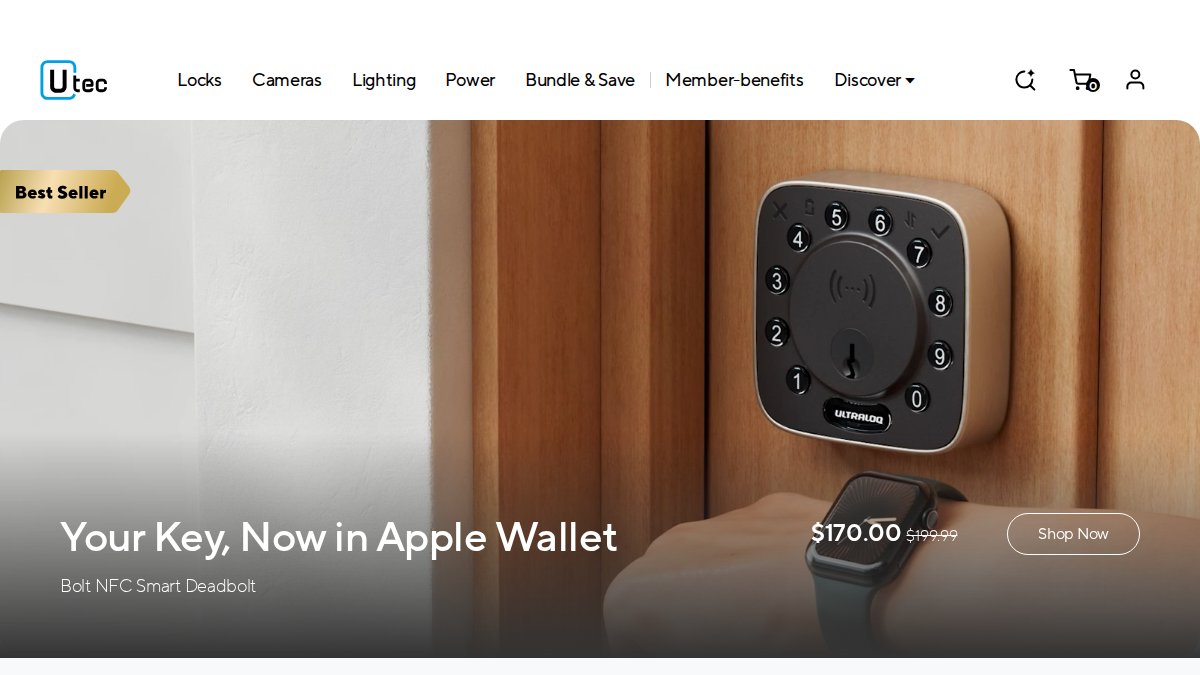
Best for arthritis and memory support. Fingerprint entry removes the two hardest steps for older adults: remembering a code and turning a stiff thumb turn.
What most guides miss: fingerprint readers struggle with worn or very dry fingertips, common in older age. Confirm a keypad or key backup exists before relying on biometrics alone.
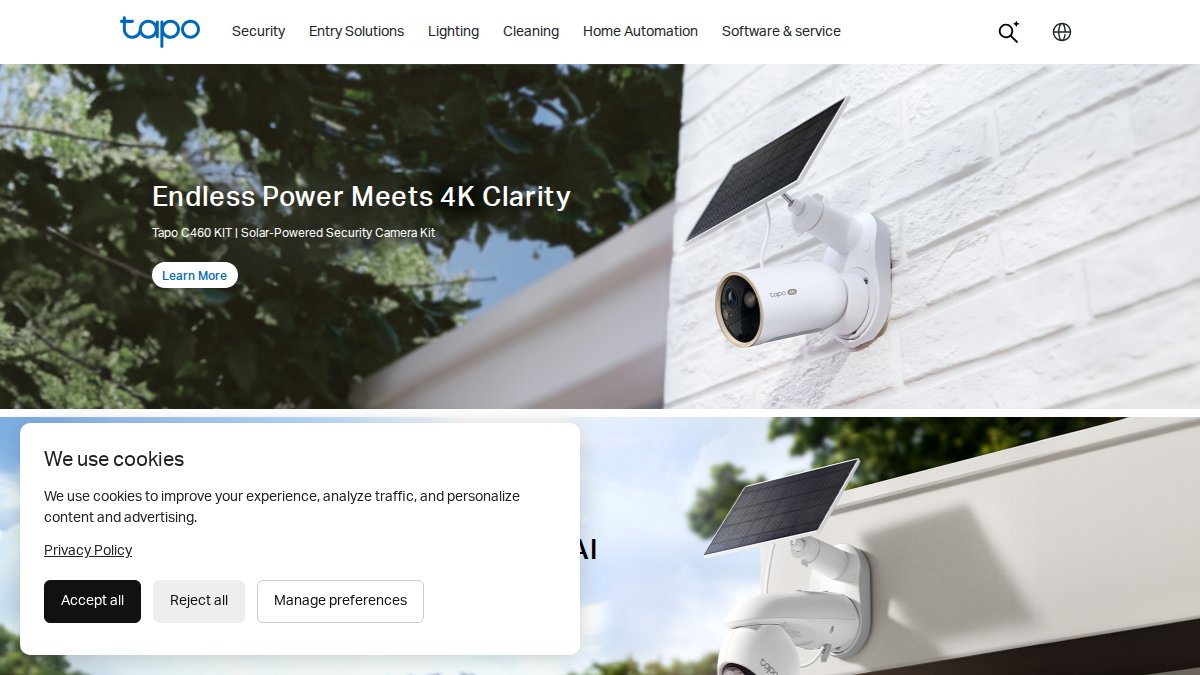
Tapo DL100 and Eufy Smart Lock C34
Best budget pair. Tapo names the DL100 its best keypad smart deadbolt, and Wirecutter describes the Eufy Smart Lock C34 as a low-cost option. Both give you keypad entry without premium pricing.
The tradeoff is documented depth: the supplied results do not verify installation details, battery life, or backup entry for either model. Ask the seller directly.
Keypad Door Locks for Seniors: Why PIN Entry Still Wins
Keypad door locks for seniors win because a PIN code requires no phone, no app, and no key to fumble in the dark. A senior who leaves the house without a phone can still get back inside.

Look for three things: buttons at least a fingernail wide, backlighting for low-light visibility, and a code you can change without a phone.
Set the PIN to a number your parent already knows by heart, such as an old phone extension or street number. Memory support matters more than security theater for a code only family uses.
Smart Locks for Older Adults With Arthritis: Grip, Force, and Reach
Smart locks for older adults with arthritis should demand less than five pounds of turning force and offer at least one entry method that skips gripping entirely.
Three physical tests decide comfort:
- Thumb turn: can your parent turn the interior knob with two fingers?
- Keypad reach: is the keypad at hip-to-chest height, not knee level?
- Grip: does the exterior handle accept a closed fist, not just a pinch?
A common mistake is buying a sleek, low-profile lock that looks elegant and then requires a firm twist. In practice, the plain-looking lock with a fat turn piece wins.
Smart Locks With Auto-Lock: Protection When a Door Is Forgotten
Smart locks with auto-lock close the gap that worries adult children most: the door left unlocked overnight. The lock re-engages the deadbolt after a set delay, usually 30 seconds to a few minutes, without anyone remembering to do it.
For a parent with early memory loss, this is the single most valuable feature on this list. Set the delay long enough to walk in with groceries, short enough that the door is never open to the street for long. (Source: National Institute on Aging’s resources on assistive technology)
Auto-lock fails silently when the battery dies. Turn on low-battery alerts in the app and keep a physical key with a neighbor, or your parent may be locked out with no warning.
Smart Locks With Remote Access for Caregivers
Smart locks with remote access for caregivers let family unlock a door from three hours away. That covers the aide who arrives early, the delivery left in the rain, and the wellness check when a parent does not answer the phone.
Wi-Fi models such as the Schlage Arrive provide this without extra hardware. Bluetooth-only locks need a hub or a phone in range, so confirm the connection type before buying.
Remote access is only as reliable as the home network. If your parent’s Wi-Fi drops often, choose a lock with a keypad that works offline.
Emergency Egress, Power Outages, and Backup Keys
Every lock on this list should open from the inside with a single motion, no code and no app. That is emergency egress, and it is non-negotiable for anyone with balance or health risks. Most guides stop there. The harder question is what happens on the worst night: the battery dies, the Wi-Fi drops, the caregiver cannot get in, and the senior cannot remember the code.
Test egress before you trust it
Run this drill once with your parent present, in daylight, before the lock becomes the only way in or out:
- Lock the door from the outside with the keypad.
- Have your parent open it from the inside using only the thumb turn, in the dark if possible.
- Repeat with the lights off and with one hand occupied, simulating a cane or walker.
- Confirm the interior turn moves with two fingers and no pinch grip.
If any step fails, the lock is the wrong fit regardless of its app rating.
Power and network failure are separate problems
A dead battery and a dropped Wi-Fi connection fail differently, and a senior can be trapped inside or locked outside by either. Confirm four things before purchase:
- The interior side has a manual thumb turn that works with no power.
- The exterior keypad or key still works when Wi-Fi is down.
- The lock gives a low-battery warning well before failure, by voice, LED, or app alert.
Build the caregiver contingency plan
Remote access is only useful if the people who need it can get in during an emergency. Write the plan down and keep a copy with the lock’s manual:
- Primary caregiver: full app access with remote unlock and entry alerts.
- Backup caregiver: a separate user code or app invitation, not a shared PIN, so access can be revoked individually.
- Trusted neighbor: a physical key and a phone number, logged in the plan.
A common pattern is to give each caregiver a unique code and review the list every few months. Shared codes are convenient until someone leaves and the code cannot be changed without disrupting everyone else.
Balance monitoring with privacy
Entry alerts and remote unlock are safety tools, but they also let family watch a parent’s comings and goings. Decide together who receives alerts, whether alerts fire on every unlock or only on unusual hours, and how the parent can opt out of non-emergency monitoring. The goal is a lock that supports independence, not one that turns a home into a surveillance post.
Egress, backup access, and a written caregiver plan matter more than any app feature. Test them before the first night the lock is the only way in.
Installation and Compatibility in Older Homes
Installation and compatibility trip up more buyers than any software feature. Older homes often have non-standard deadbolt bores, thin doors, misaligned strike plates, or metal frames that interfere with wireless signal. A five-minute measurement session before ordering can help prevent returns.
The pre-purchase measurement checklist
Work through this list with a tape measure and a flashlight before you buy:
- Door thickness. Standard exterior doors run about 1-3/4 inches. Thinner panel doors and thicker insulated or fire-rated doors may need a shim kit or a different model.
- Backset. Measure from the door edge to the center of the deadbolt hole. The two common sizes are 2-3/8 inches and 2-3/4 inches. Confirm the lock supports yours; many retrofit models ship with an adjustable latch.
- Cross bore. The hole through the door face is typically 2-1/8 inches. A smaller or ragged hole means the new lock may not seat flush.
When to call a professional
A standard deadbolt swap on a wood door with clean 2-1/8-inch prep is a screwdriver-and-drill job most handy adults can finish in under an hour. Call a licensed locksmith when any of these are true:
- The door is steel, fiberglass, or fire-rated and you are not confident drilling it.
- The existing bore is oversized, ragged, or off-center.
- The door or frame is out of square and the bolt will not seat without forcing.
A locksmith visit typically costs less than the restocking fee and return shipping on a lock that does not fit, and it protects the door from a botched bore that is expensive to repair.
Renters and managed communities
For renters or seniors in assisted living, check the lease or community rules first. Many properties restrict lock changes outright, and a clamp-on retrofit that attaches to the existing interior thumb turn may be the only permitted option. Get written approval before you drill, and keep a copy with the caregiver plan.
Photograph the existing deadbolt, the door edge, and the strike plate before you shop. A locksmith or a manufacturer’s support line can usually confirm fit from those three photos alone.
Frequently Asked Questions
Are smart locks easier to use than traditional locks for older adults?
For many older adults, yes, but it depends on the entry method. A keypad lock removes the need to aim a key at a small slot in the dark or while carrying groceries. Fingerprint models like the Ultraloq Bolt Fingerprint and Tapo DL105 skip code memorization entirely. The trade-off is setup: someone has to pair the app and set codes. Choose a lock that still includes a physical backup key so a dead battery or forgotten PIN never traps anyone outside.
What is the easiest smart lock for someone with arthritis?
Look for three things: a keypad with large, raised, backlit buttons, a motorized deadbolt that throws itself, and an interior thumb turn that needs a light grip rather than a hard twist. Keypad deadbolts such as the Tapo DL100 and the Yale Assure Lock 2 fit this pattern, and auto-lock models remove the need to manually turn anything. Avoid locks that require a firm quarter-turn of a small knob or precise finger placement on a recessed sensor.
Can family members unlock a smart lock remotely?
Yes, on Wi-Fi models. The August Wi-Fi Smart Lock and the Schlage Arrive Smart WiFi Deadbolt connect directly to home Wi-Fi, so a caregiver can unlock the door from a phone anywhere. Bluetooth-only locks require someone to be within range. Remote access also lets you issue temporary access codes for aides, therapists, or delivery workers and review an activity history of who came and went. Confirm the lock’s app supports multiple users before buying.
Do smart locks work during a power or internet outage?
Almost all smart locks run on batteries, not household power, so a power outage does not affect the lock itself. An internet outage only disables remote access from a phone; the keypad, fingerprint reader, and backup key keep working at the door. The real risk is a dead battery, so pick a lock with a low-battery alert and keep a physical key stored somewhere outside the home, such as with a neighbor or trusted family member.
Is a keypad or fingerprint smart lock better for seniors?
Keypads suit people who can remember and enter a short PIN, and they let you share temporary codes with caregivers. Fingerprint locks suit anyone who struggles with codes or memory, since there is nothing to recall, but fingerprint sensors can misread dry or worn skin and some older adults find the placement awkward. A lock that offers both, plus a backup key, gives the most fallback options when one method fails.
Choosing a lock for a parent means balancing security against the daily reality of stiff hands, forgotten codes, and a door that must always open from the inside. ElderLivingHub reviews senior care technology with that reality in mind, so you can compare ease of use, caregiver access, and total cost without guesswork. Start with our independent reviews and guides, and pick the lock your family can actually live with.