Best Medication Management Tools 2026: Top Picks
Table of Contents
- Quick Comparison: Best Medication Management Tools 2026
- How We Evaluated These Medication Management Tools
- 1. Medisafe: Best Free Medication Reminder App
- 2. Hero Health: Best Automatic Pill Dispenser for Seniors
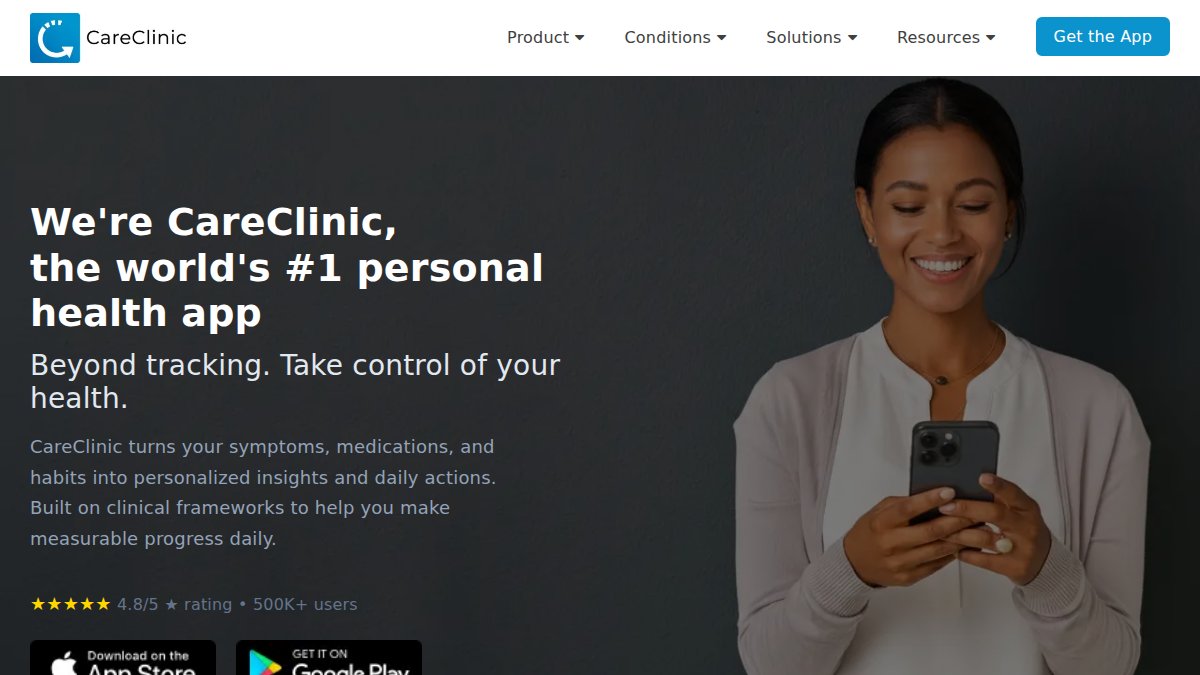
- 3. CareClinic: Best for Tracking Symptoms Alongside Medication
- 4. DoseCast: Best for Simple Refill Reminders
- 5. WellSky: Best for Professional Care Teams
- 6. Birdie: Best for Home Care Agencies
- What to Look For in Medication Management Tools
- Frequently Asked Questions
Last Updated: September 27, 2026
Quick Comparison: Best Medication Management Tools 2026
Finding the best medication management tools 2026 has to offer starts with fit. At ElderLivingHub, we provide expert, independent reviews and comprehensive guides designed to help adult children navigate the complex world of senior care technology. The gap between a tool that works and one that collects dust comes down to how well it matches the user’s abilities and the caregiver’s distance.
Here’s the short version before we get into details:
|
Tool |
Best For |
Free Tier |
Standout Feature |
|---|---|---|---|
|
Medisafe |
Most individuals and families |
Yes |
Drug interaction warnings |
|
Seniors needing physical sorting help |
No |
Automatic pill dispensing |
|
|
CareClinic |
Symptom and medication tracking together |
Yes |
Health reports for doctor visits |
|
DoseCast |
Simple daily refill reminders |
Yes |
Flexible complex dosing schedules |
|
WellSky |
Professional care teams |
No |
eMAR with audit trails |
|
Birdie |
Home care agencies |
No |
Real-time missed dose alerts |
How We Evaluated These Medication Management Tools
We scored each tool on five criteria: ease of use for someone over 75, caregiver visibility, refill and alert reliability, data privacy, and total cost of ownership. Every recommendation is one we would trust for our own family members.
1. Medisafe: Best Free Medication Reminder App
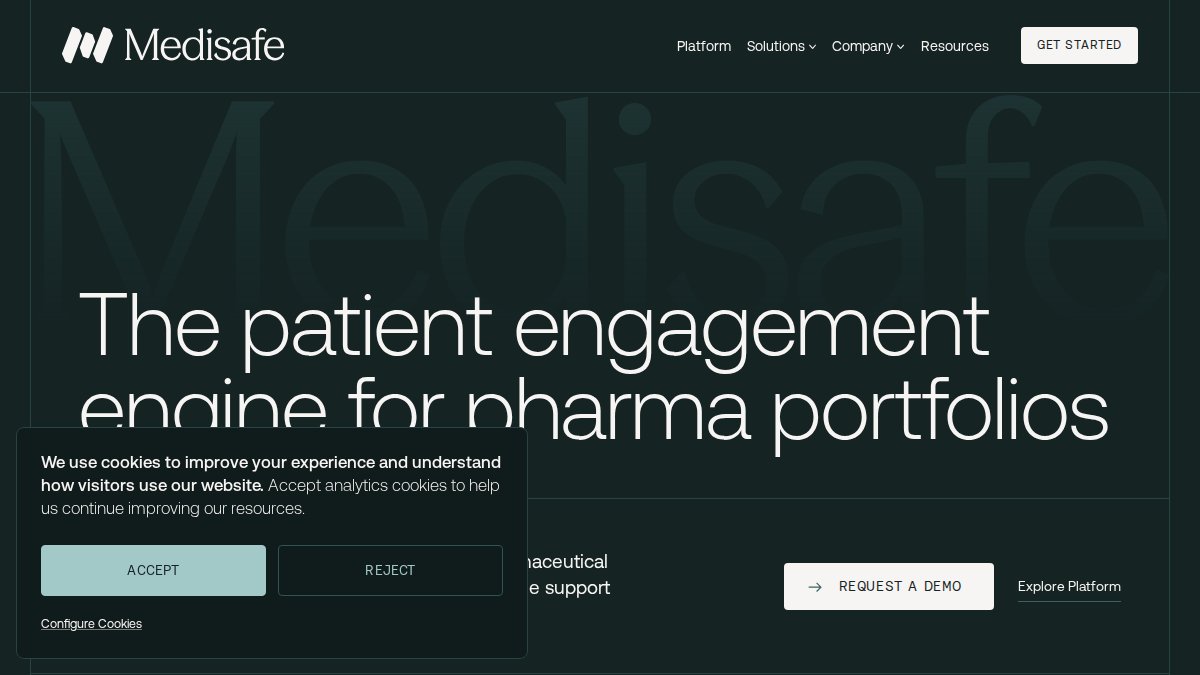
Medisafe is a medication reminder app that sends customizable alerts, flags drug-to-drug interactions, and lets caregivers check adherence remotely. It syncs with Apple Health and Android health platforms, and core features are free.
2. Hero Health: Best Automatic Pill Dispenser for Seniors
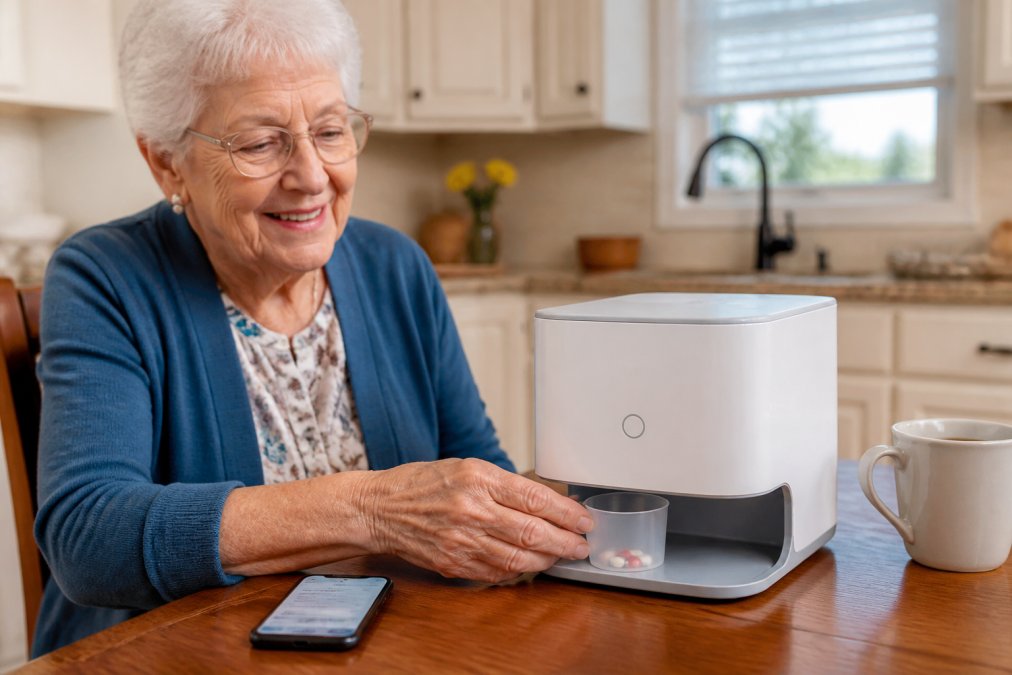
Hero Health is a smart automatic pill dispenser that sorts and releases medication on a programmed schedule. Audible and visual alerts signal dose times, and caregivers monitor adherence through a cloud-based app.
3. CareClinic: Best for Tracking Symptoms Alongside Medication
CareClinic pairs medication and supplement scheduling with symptom, mood, and activity logging, then generates detailed reports you can bring to a physician visit. It has a free tier with paid upgrades.
4. DoseCast: Best for Simple Refill Reminders
DoseCast does two things well: flexible scheduling for complex dosing patterns and refill tracking with pharmacy alerts. It logs adherence history and keeps data privacy-focused.
5. WellSky: Best for Professional Care Teams
WellSky is enterprise software built for care teams, not consumers. It provides an Electronic Medication Administration Record (eMAR), audit trail logging for compliance, EHR and FHIR integration, and automated missed-dose alerts.
What eMAR actually does
An eMAR is the digital replacement for the paper medication administration record nurses and aides have signed for decades. The practical differences:
- Time-stamped entries, every dose is logged with the exact time it was administered, not rounded to the nearest shift.
- User attribution, the record shows which staff member administered the dose, which matters during a state survey or an internal audit.
- Controlled substance tracking, counts are reconciled automatically, reducing the paperwork burden that comes with narcotics and other scheduled medications.
- Exception flagging, refused doses, held doses, and missed doses are recorded as distinct events rather than lumped together as “not given.”
FHIR and EHR integration, in plain terms
FHIR (Fast Healthcare Interoperability Resources) lets different health IT systems exchange data without custom one-off connections. In practice, FHIR integration means:
- A medication list entered in the EHR can populate the eMAR without double entry.
- A discharge summary from a hospital can flow into the agency’s system, so the receiving nurse sees the current regimen.
- A change in a prescription at the physician’s office can propagate to the eMAR, reducing transcription errors.
Who should not buy this
If you are a family caregiver managing one or two parents’ medications, WellSky is overkill. Licensing, training, and implementation all assume an organization with staff. A consumer app or physical dispenser serves you better and costs far less.
Pricing and implementation reality
Pricing is quote-based, depending on users, modules, and EHR integration level. For current pricing, please check the WellSky website.
6. Birdie: Best for Home Care Agencies
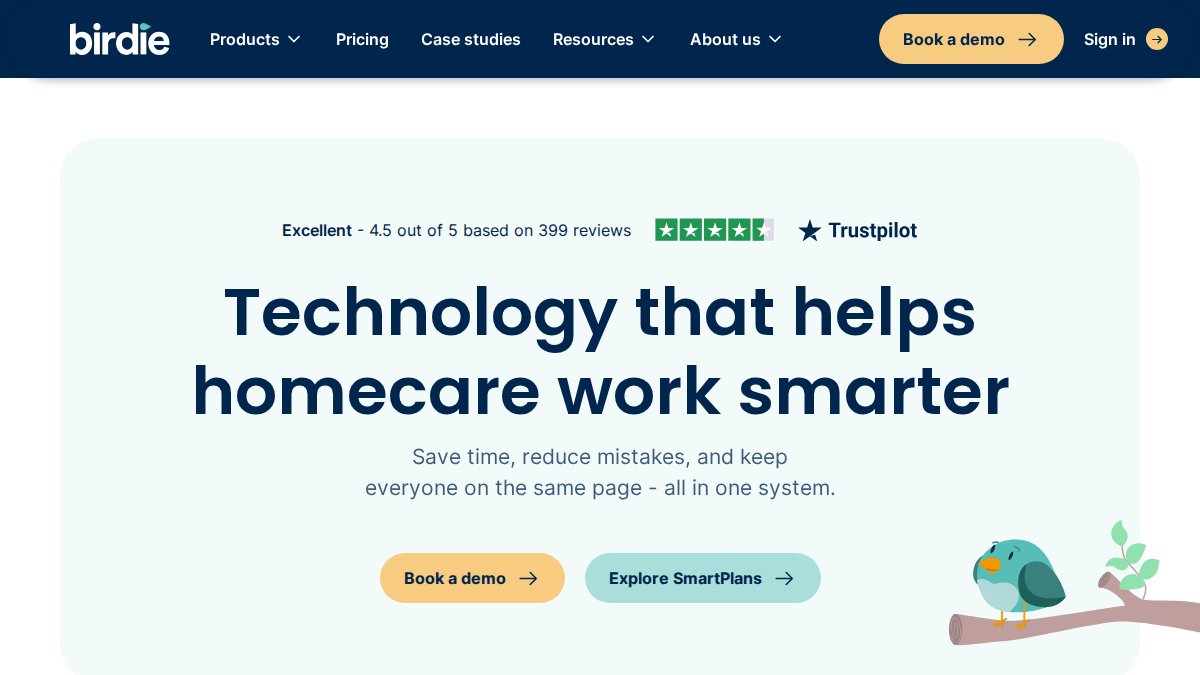
Birdie gives home care providers a digital eMAR, care plan management, real-time missed medication alerts, and quality-assurance reporting. It reduces paperwork and improves communication between shifts.
What to Look For in Medication Management Tools
Match the tool to the person, not the feature list. The questions below decide it faster than any spec sheet, covering areas most buying guides skip: pharmacy interoperability, accessibility for cognitive impairment, and data portability.
1. Does the user have cognitive impairment or low vision?
This is the single biggest filter. A reminder app assumes the user can read a notification, remember what it means, and act on it. For someone with mild cognitive impairment or early-stage dementia, that chain breaks at step two.
What actually works, in rough order of support level:
- Physical dispensers (Hero Health, and lower-tech locked pill organizers) remove the decision entirely. The dose appears in a cup at the right time. No tapping, no confirming, no “did I already take this?”
- Apps with photo-based confirmation show a picture of the actual pill, which helps users who cannot read small labels or distinguish similar tablets.
- Voice-first interfaces matter for users with low vision or arthritis. Look for apps that read the medication name and dose aloud and accept a spoken confirmation.
- High-contrast, large-type modes are not universal. Check the app’s accessibility settings before you commit, many medication apps still ship with 12-point gray text on white.
2. How far away is the caregiver, and what do they need to see?
Remote visibility is not one feature, it is three. Ask specifically:
- Can the caregiver see whether a dose was taken, skipped, or snoozed?
- Do missed-dose alerts go out in real time, or only in a daily digest?
- Can more than one person receive alerts (a sibling, a home aide, an adult child on a different schedule)?
3. Does it sync with the pharmacy, or just remind you?
This is where most consumer apps stop and chronic patients need help. A reminder tells you to take a pill; a refill sync tells you the pharmacy has a prescription ready or that you are three days from running out.
Look for:
- Pharmacy refill integration, some tools connect to major pharmacy chains so refill status flows into the app instead of requiring a phone call.
- e-Prescribing awareness, if the prescriber sends a new prescription electronically, does the tool pick it up, or do you re-enter it by hand?
- Pharmacy benefit and formulary notes, less common, but useful when a medication switches to a different tier or a generic becomes available.
4. Can you get your data out?
Data portability is the question almost no buying guide asks, and the one you will care about most in two years. Before committing:
- Check whether you can export medication history as a PDF or CSV. You will want this for doctor visits, especially when seeing a specialist who has never met the patient.
- Confirm whether the export includes adherence data (taken/skipped/missed) or only the medication list.
- Ask what happens to your records if you cancel the subscription. Some tools lock the history behind an active account.
5. Does it work offline?
Many apps require a live connection to log a dose. In areas with spotty cell service or during a home internet outage, that means doses go unrecorded, and the caregiver dashboard shows gaps that are not real adherence problems.
6. Is the regimen complex?
Multiple medications at different times, tapering doses, or as-needed medications need flexible scheduling. A tool that only supports “once daily at 8 a.m.” will fail a real regimen quickly. Look for support for:
- Variable doses by day of week
- Taper schedules
- PRN (as-needed) medications logged separately from scheduled ones
- Multiple medications at the same time slot
7. What is the real total cost?
Free tiers cover reminders and basic interaction warnings. Anything involving physical dispensing hardware, professional eMAR features, or advanced reporting usually means a recurring subscription. Before you commit, add up:
- Monthly subscription
- Hardware cost (for dispensers)
- Any per-caregiver or per-user fees
- The cost of the tool you will need to replace it with if it does not stick
Frequently Asked Questions
What is the best app for medication management?
The best app depends on your needs. Medisafe is a top choice for individuals and caregivers because its core reminder and interaction-warning features are free and its interface is intuitive for seniors. CareClinic is better if you want to track symptoms alongside doses, while Bearable excels at showing how medications affect how you feel day to day. For professional care teams, WellSky and Birdie offer electronic medication administration records (eMAR) that go far beyond consumer apps.
How do automatic pill dispensers improve medication adherence?
Automatic pill dispensers for seniors physically sort and release the correct dose at the right time, removing the need to remember which pills to take. Hero Health, for example, provides audible and visual alerts, tracks whether the dose was taken, and sends that data to a caregiver’s app. By eliminating sorting errors and missed doses, these devices support stronger therapeutic compliance, especially for seniors managing multiple prescriptions or early cognitive decline.
What are some effective medication adherence strategies for elderly users?
Pair a simple reminder tool with a consistent daily routine. Use a pill organizer or automatic dispenser to pre-sort doses, set alarms on a phone or dedicated device, and keep a written or digital log. Involve a caregiver or pharmacist for regular medication reconciliation. Refill reminders and automatic alerts reduce the chance of running out. These strategies work best when the technology matches the person’s comfort level, so choose tools with large buttons and clear audio prompts.
What features should I look for in a medication reminder app?
Prioritize customizable scheduling for complex doses, refill reminders, and caregiver access so a family member can check adherence remotely. Drug interaction warnings add a safety layer. Look for sync with Apple Health or Android health platforms if you want a fuller health picture. For seniors, a clean user interface with large text and loud alerts matters more than advanced analytics. Data privacy is essential if the app stores health information.
Are these medication management tools covered by insurance or Medicare?
Coverage varies widely. Some automatic pill dispensers and adherence devices may be eligible for reimbursement through certain Medicare Advantage plans or Medicaid waiver programs, but rules differ by plan and state. Apps like Medisafe and CareClinic are typically free or low-cost and not covered. Check with your plan administrator or a pharmacist consultation for specifics. Always confirm current coverage directly with your insurance provider before purchasing.
Related Reviews From ElderLivingHub
- Hero Pill Dispenser Review
- MedMinder Medication Dispenser Review
- Pria Medication Dispenser Review
- TabSafe Medication Dispenser Review
Browse more: