
GPS Trackers for Seniors
Reviews of GPS tracking devices designed to keep elderly parents safe at home and on the go.
GPS trackers for seniors provide family caregivers with real-time location information for aging parents who may wander, get confused, or face safety risks when away from home. They range from simple keychain-style devices to sophisticated wearables with two-way calling and health monitoring built in.
These devices are particularly valuable for seniors with early to moderate dementia or Alzheimer’s disease, who may wander and be unable to find their way home. They’re also useful for active independent seniors whose family wants the ability to locate them quickly in an emergency.
The most important thing to understand about GPS trackers is the difference between indoor and outdoor tracking. GPS only works reliably outdoors — indoor positioning typically relies on Wi-Fi or cellular triangulation, which is less precise. Many caregivers don’t realize this limitation until after purchase, which is why our reviews always test indoor performance separately from outdoor performance.
Latest Reviews
In-depth reviews are on the way. Bookmark this page to stay updated.


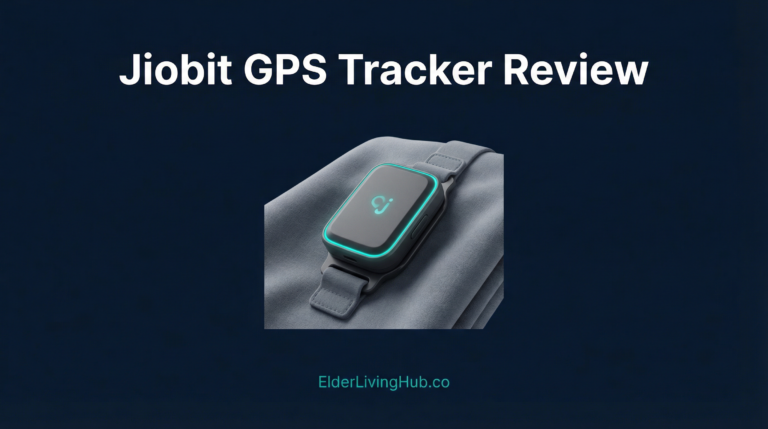
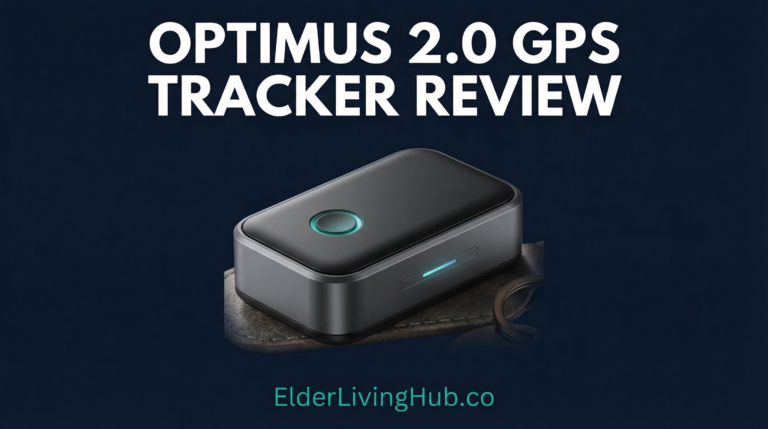
What to Look For
Location Accuracy
Outdoor GPS accuracy should be within 10–20 meters under good conditions. Indoor accuracy is much less reliable regardless of brand — understand this limitation before buying. Our reviews include accuracy testing in various environments.
Geofencing Alerts
The best GPS trackers allow you to set virtual boundaries (geofences) around safe zones like home or a senior center. You receive an alert when your parent leaves or enters these zones. This is one of the most practical features for busy caregivers who can’t monitor the app constantly.
Battery Life
Some GPS trackers require daily charging, which creates reliability gaps. Look for devices with 3–7 days of battery life, or consider always-on devices like smartwatches that your parent already charges nightly as part of their routine.
Size and Wearability
A tracker only works if it’s worn. Smaller, lighter designs that can be clipped to clothing, worn as a pendant, or built into shoes or belts are more likely to be worn consistently. Avoid bulky devices that seniors may find uncomfortable or embarrassing.
Subscription Cost
GPS trackers require a cellular data plan to transmit location data, typically $15–$30/month. Factor this ongoing cost into your decision. Some trackers use proprietary plans; others work with standard SIM cards, giving you more flexibility.
Frequently Asked Questions
What is the best GPS tracker for a senior with dementia?
For dementia patients who may wander, look for a tracker that’s discreet enough that the wearer won’t remove it, has accurate geofencing alerts, and works both indoors and outdoors. Shoe insoles, belt clips, and watch-style trackers that look like normal accessories tend to work best. Our dementia GPS tracker reviews focus specifically on these criteria.
Can GPS trackers work indoors?
GPS signals don’t penetrate buildings well, so indoor tracking relies on Wi-Fi positioning or cellular triangulation, which is less precise — typically within 50–100 meters rather than 10–20 meters. If indoor location tracking is a priority, look for trackers that combine GPS with Wi-Fi and Bluetooth indoor positioning.
Do seniors know they’re being tracked?
This depends on your situation and your parent’s cognitive status. For cognitively intact seniors, transparency is important — most appreciate the safety net when it’s explained as emergency assistance rather than surveillance. For advanced dementia patients, the conversation is more complex, and the focus shifts to safety. Our buying guides address the ethical considerations of GPS monitoring in detail.
Need Help Choosing?
Our team is here to help you find the right solution for your family’s situation.
Get in Touch