
Fall Detection Devices
Reviews of fall detection devices and wearables that automatically alert family members and emergency services.
Falls are the leading cause of injury-related death among adults over 65, and many seniors who fall are unable to call for help themselves. Automatic fall detection technology uses accelerometers and gyroscopes to sense the rapid motion and impact associated with a fall, then automatically calls for help without the user needing to press a button.
Fall detection devices range from standalone wearable sensors to smartwatches and medical alert systems with built-in detection. The technology has improved significantly over the past several years — the best devices can distinguish between a fall and normal vigorous activity, reducing false alarms while ensuring genuine emergencies are caught.
When comparing fall detection devices, accuracy is the primary concern. A device that misses real falls is dangerous; a device with too many false alarms quickly becomes a nuisance that users stop wearing. Our reviews evaluate both sensitivity and specificity, and we note the circumstances (certain activities, wearing location) where each device performs best or struggles.
Latest Reviews
In-depth reviews are on the way. Bookmark this page to stay updated.
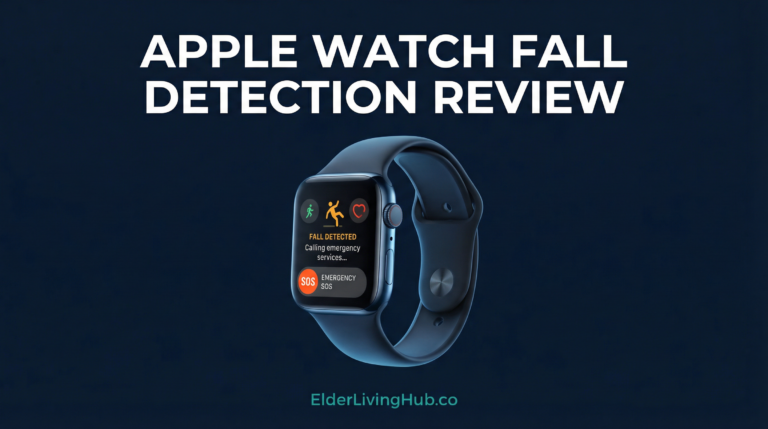
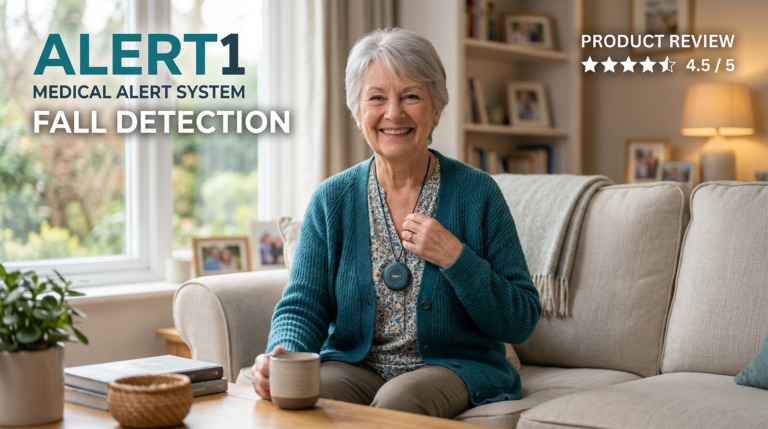
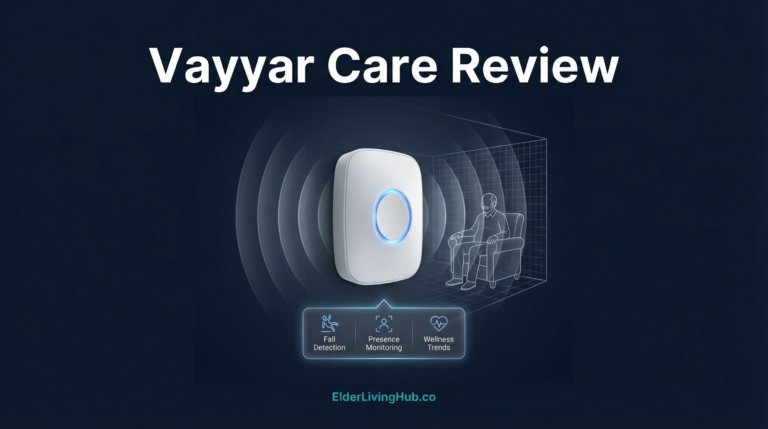
Review Coming Soon
We’re working on in-depth reviews for this category. Check back soon.
What to Look For
Detection Accuracy
No fall detection algorithm is perfect, but the best devices achieve detection rates above 90% in controlled testing. Look for reviews that test detection in real-world scenarios, not just lab conditions, including falls from chairs and bed as well as standing falls.
False Alarm Rate
Too many false alarms erode trust and often cause seniors to stop wearing the device. The best systems balance sensitivity with specificity. Devices with adjustable sensitivity settings can be tuned to the wearer’s activity level.
Wearing Location and Comfort
Fall detection accuracy varies significantly based on where the sensor is worn. Wrist-worn devices are convenient but can miss some falls. Pendant or belt-clip sensors worn closer to the core tend to be more accurate. Comfort is critical — a sensor a senior refuses to wear provides no protection.
Response Protocol
When a fall is detected, what happens next? The best devices allow a cancellation window (typically 30–60 seconds) before alerting anyone, reducing unnecessary alarm calls. Then they should contact a monitoring center, family caregivers, or emergency services in a clear priority order.
Battery Life and Charging
Wearable fall detectors need daily or near-daily charging, which creates a gap in protection. Look for devices with quick charging, low-battery alerts, and a charging indicator your parent can easily see.
Frequently Asked Questions
How accurate are automatic fall detectors?
Accuracy varies significantly by device and wearing location. Studies typically show 70–95% sensitivity for the best commercial devices. No device catches 100% of falls — some slow-motion falls or slides are difficult to distinguish from normal movements. Our reviews note specific accuracy limitations for each device.
Will a fall detection device call 911 automatically?
Most devices contact a professional monitoring center, not 911 directly. The monitoring center then assesses the situation and dispatches emergency services if needed. Some devices allow direct 911 calling as an option, but this can lead to unnecessary emergency responses for false alarms.
Can fall detection devices be worn in the shower?
Many fall detection devices are waterproof or water-resistant, which is important since the bathroom is a high-risk area for falls. Always check the IP (Ingress Protection) rating — IP67 or higher means the device can handle shower exposure. Our reviews specify each device’s water resistance rating.
Need Help Choosing?
Our team is here to help you find the right solution for your family’s situation.