
Hearing & Vision Aids
Reviews of amplified phones, hearing aids, captioned telephones, and vision assistance technology for seniors.
Hearing and vision loss are among the most common health challenges facing adults over 65 — and among the most underaddressed. The National Institute on Deafness estimates that one-third of people between 65 and 74 have significant hearing loss, rising to half of those over 75. Yet most seniors with hearing loss go years without effective treatment, often due to cost barriers or stigma.
The good news is that technology has advanced significantly. FDA-approved over-the-counter (OTC) hearing aids now provide a lower-cost alternative to prescription devices, putting effective hearing amplification within reach for many seniors who previously couldn’t afford traditional hearing aids. Similarly, video magnification devices, high-contrast displays, and smartphone accessibility features have dramatically improved life for seniors with low vision.
When evaluating hearing and vision aids for an elderly parent, the key is matching the product’s complexity and price point to the severity of the deficit and the user’s technical comfort level. A senior with mild hearing loss and good tech skills has very different needs than one with profound hearing loss who has never owned a smartphone.
Latest Reviews
In-depth reviews are on the way. Bookmark this page to stay updated.
What to Look For
Severity and Type of Hearing/Vision Loss
The right product depends entirely on the nature and severity of the deficit. Mild-to-moderate hearing loss is well-addressed by OTC hearing aids; severe or profound loss typically requires prescription devices audiologist-fitted. Macular degeneration has different product solutions than general low vision. Our reviews specify which conditions each product is designed for.
OTC vs. Prescription Hearing Aids
OTC hearing aids, now legal to sell without a prescription for mild-to-moderate loss, cost $200–$1,500 compared to $2,000–$8,000 for prescription devices. They’re a good starting point for seniors new to hearing aids, but they lack the professional fitting and customization that prescription devices provide. Our reviews compare the realistic effectiveness of OTC options.
Connectivity and Features
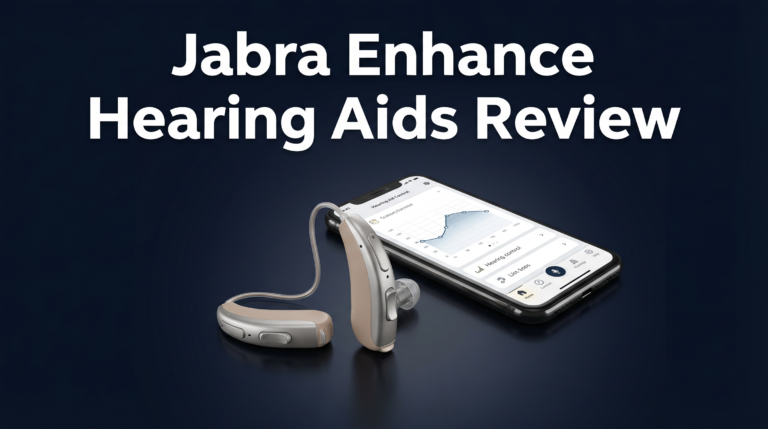
Modern hearing aids connect via Bluetooth to smartphones, allowing streaming of phone calls, TV audio, and music directly to the ear. These features are genuinely useful for tech-comfortable seniors but can be a source of frustration for those who find Bluetooth pairing confusing. Consider whether connectivity features add value or complexity for your parent specifically.
Battery Life and Maintenance
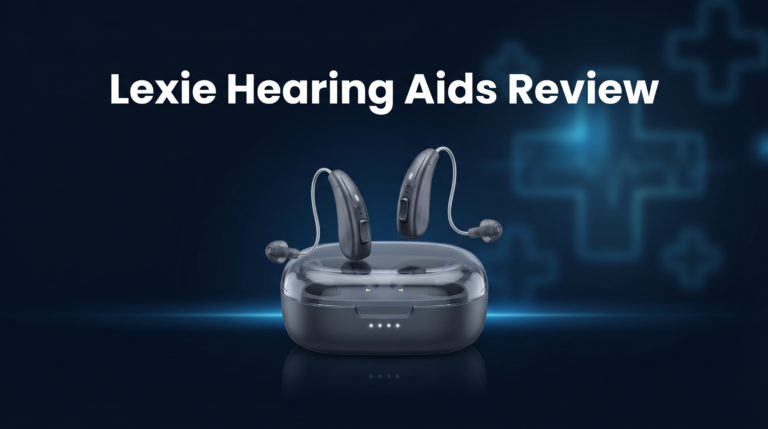
Rechargeable hearing aids have become the preferred option for many seniors — small disposable batteries are difficult to handle with arthritic fingers. Rechargeable models typically provide a full day’s use on a single overnight charge. Vision aids require different maintenance considerations depending on the technology.
Return Policy and Trial Period
Given that hearing aids require adjustment time and personal preference varies significantly, a generous return policy is essential. Look for at least a 30-day trial period with a full refund option. Many reputable OTC brands offer 45–60 day trials.
Frequently Asked Questions
What is the difference between OTC and prescription hearing aids?
OTC hearing aids are sold without a prescription, are self-fitted via a smartphone app or manual control, and are designed for adults with mild-to-moderate hearing loss. Prescription hearing aids are fitted and programmed by an audiologist, can address a wider range of hearing loss severity, and typically produce better outcomes — but cost significantly more. If your parent hasn’t had a professional hearing evaluation, that’s a good starting point.
Are there hearing aids that don’t require a smartphone?
Yes — many hearing aids function perfectly as standalone devices without any smartphone connectivity. Self-contained controls (volume wheels, program buttons) are available on models specifically designed for seniors who don’t use smartphones. Our reviews always note which models work without app connectivity.
What vision aids are available for seniors with macular degeneration?
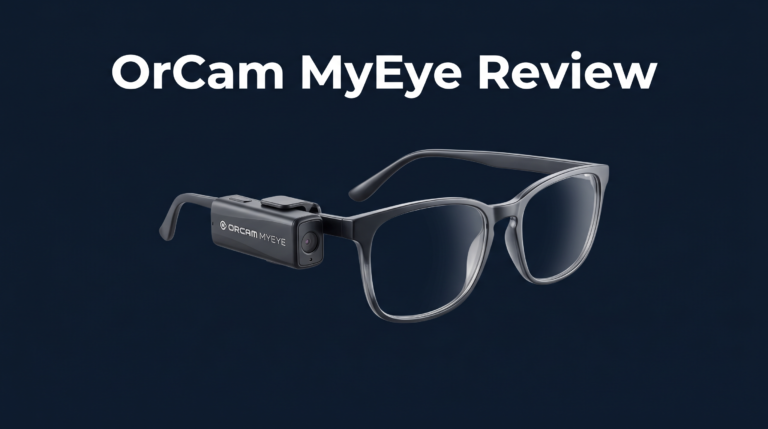
Options include desktop video magnifiers (CCTVs) that magnify reading material on a screen, handheld magnifiers with built-in lighting, high-contrast large-print keyboards, screen reader software, and smartphone camera-based apps that read text aloud. The right combination depends on the severity of the macular degeneration and what tasks your parent most needs assistance with.
Need Help Choosing?
Our team is here to help you find the right solution for your family’s situation.
Get in Touch