
Home Safety & Monitoring
Reviews of senior home monitoring systems, smart cameras, door sensors, and safety devices for aging in place.
Home safety monitoring for seniors encompasses a wide range of technologies designed to help aging parents live independently while giving family caregivers visibility into their daily routines and safety. These systems can detect falls, monitor activity patterns, alert to smoke and carbon monoxide, secure entry points, and even analyze behavioral changes that might signal a health decline.
The best senior home monitoring systems are unobtrusive enough that your parent doesn’t feel surveilled while still providing meaningful safety coverage. The tension between privacy and safety is real — our reviews always address this dimension, because a system your parent actively resists using will not achieve its goal.
When designing a home monitoring plan for an aging parent, start with the highest-risk areas: bathrooms (where falls are most common), kitchens (fire risk), and entry/exit points (wandering risk or failure to lock up). Layering multiple complementary technologies — motion sensors, smart cameras, door/window sensors, and smoke detectors — provides more comprehensive coverage than any single product.
Latest Reviews
In-depth reviews are on the way. Bookmark this page to stay updated.
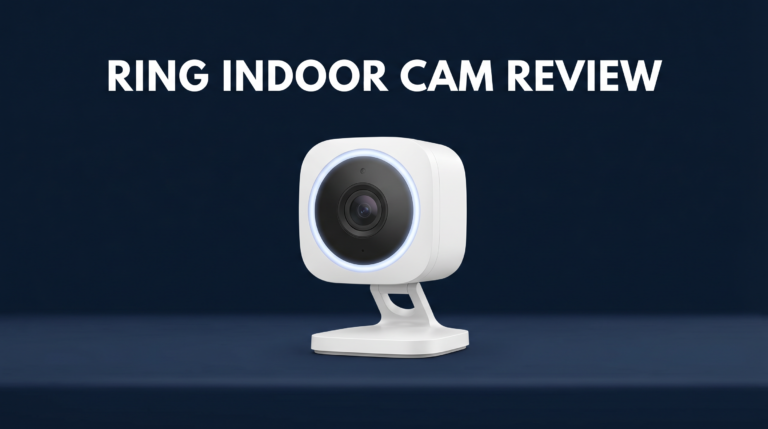
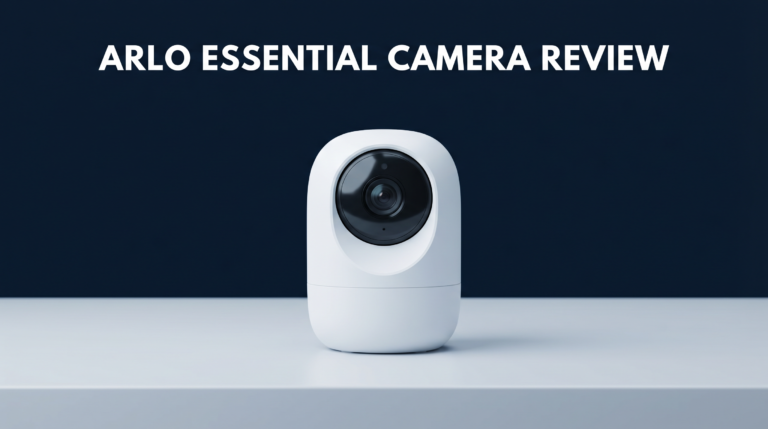
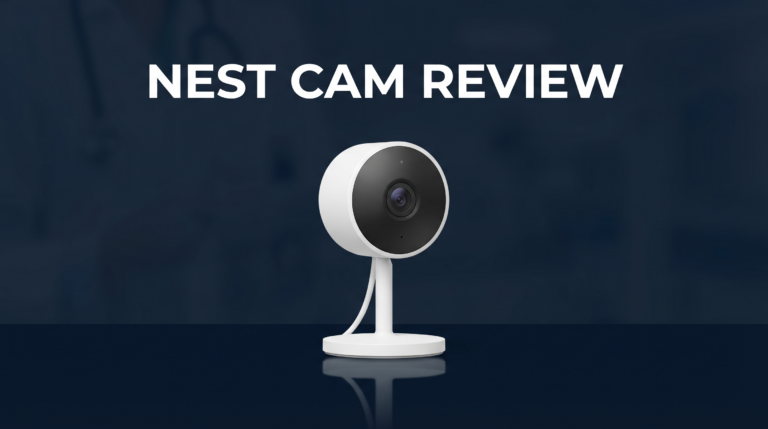
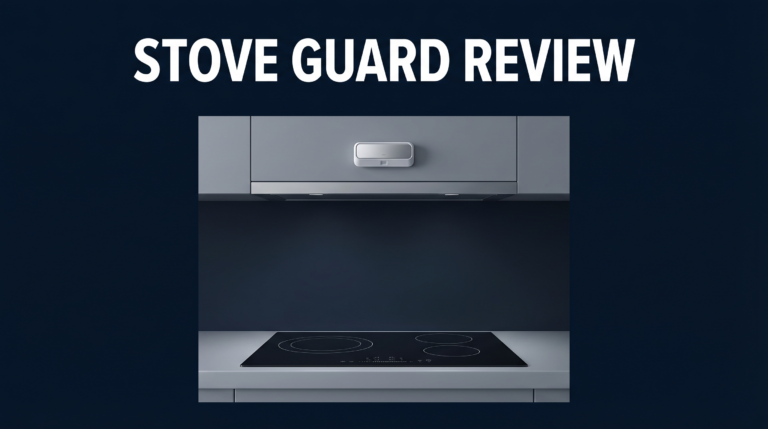
What to Look For
Coverage and Sensor Placement
Consider the specific layout of your parent’s home and the risks you’re trying to address. A studio apartment needs less coverage than a multi-story house. Motion sensors, contact sensors on doors and windows, and smart cameras each provide different types of information — a good system uses all three.
Privacy and Discretion
Interior cameras can be a significant source of tension with seniors who value their independence and privacy. Some systems use passive motion sensors or activity monitors rather than cameras, providing safety information without video surveillance. Discuss monitoring openly with your parent and respect their preferences where safety permits.
Professional vs. Self-Monitoring
Professional monitoring services ($15–$30/month) provide 24/7 coverage and can dispatch emergency services automatically. Self-monitoring means alerts go to family members who must respond. Consider whether family members can reliably respond to alerts at any hour before choosing self-monitoring.
Smart Home Integration
The best systems integrate with existing smart home platforms (Amazon Alexa, Google Home, Apple HomeKit) and can be controlled via voice commands, which is particularly useful for seniors with limited mobility. Check compatibility before purchasing if your parent already has smart home devices.
Installation and Maintenance
Most consumer home monitoring systems are designed for DIY installation, but consider whether your parent or you can realistically install and maintain the system. Some companies offer professional installation and ongoing support for an additional fee, which may be worthwhile for complex setups.
Frequently Asked Questions
What home monitoring system is best for seniors who live alone?
For seniors living alone, the most important coverage areas are entry/exit points, the bathroom, and anywhere your parent spends significant time. A combination of a medical alert system (for emergencies), motion sensors (for activity monitoring), and smart door locks (for security) covers the most critical bases. Our reviews identify the best bundles for single-person households.
Can I monitor my elderly parent’s home without them knowing?
Installing surveillance equipment in someone’s home without their knowledge or consent raises serious ethical and legal concerns, even with family members. In most jurisdictions, recording someone in their home without consent is illegal. We strongly recommend transparent, consensual monitoring — most seniors accept reasonable safety measures when the rationale is explained respectfully.
Do home monitoring systems require a monthly subscription?
Many monitoring systems charge a monthly fee for cloud storage, professional monitoring, or advanced features. Some systems (like SimpliSafe’s self-monitoring option) work without a monthly fee, though with reduced functionality. Our reviews always detail exactly what’s included in the base price vs. what requires a subscription.
Need Help Choosing?
Our team is here to help you find the right solution for your family’s situation.
Get in Touch